
Astrophotography relies on precision at every stage of the process, from the telescopes and cameras used to capture the night sky to the filters that control which wavelengths of light reach the sensor. Filters play a vital role in isolating specific wavelengths, such as Hydrogen-alpha (Hα), Oxygen III (OIII), and Sulfur II (SII), which are crucial for capturing the intricate details of deep-sky objects like nebulae and galaxies.
However, the performance of even high-quality filters can vary due to factors like manufacturing inconsistencies, environmental degradation, or wear over time. This is where spectrometer filter testing becomes invaluable—it ensures that your filters are delivering the precise performance you expect, allowing you to capture clear and accurate images of the cosmos.
What is Spectrometer Filter Testing?
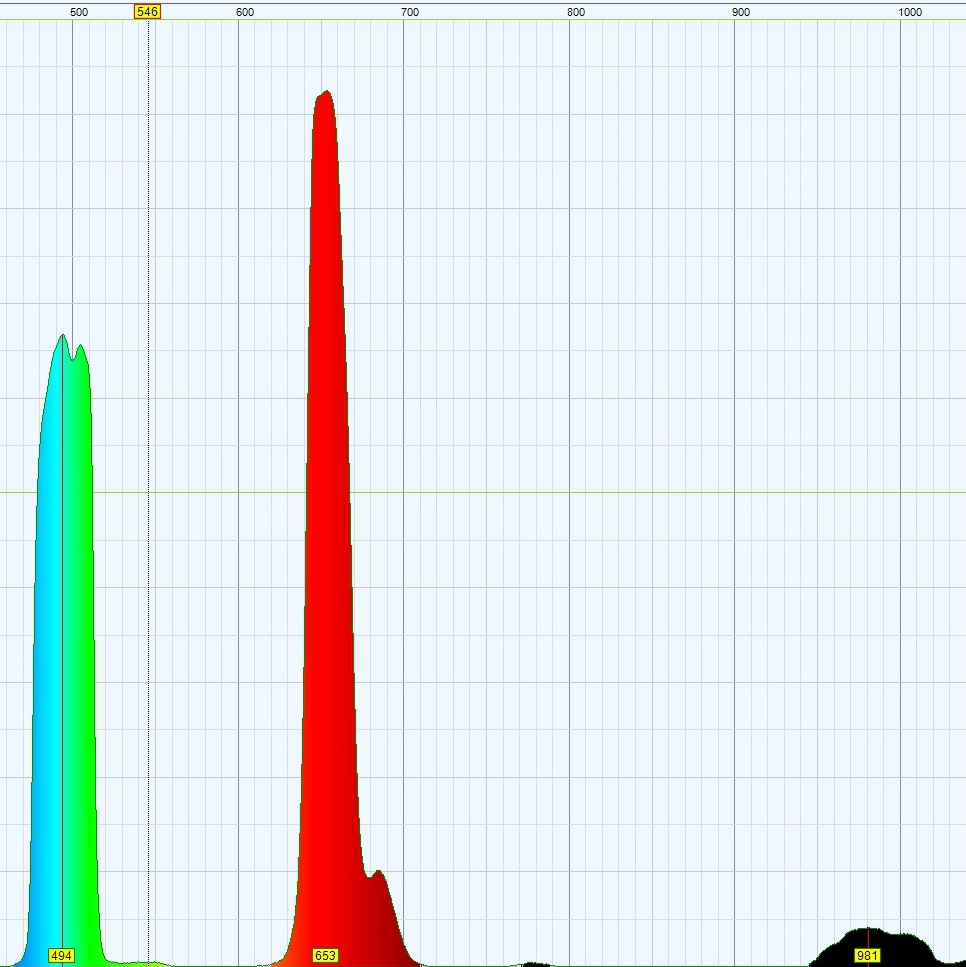
Spectrometer filter testing involves analyzing a filter’s transmission characteristics by shining light through it and measuring the wavelengths that pass through. The primary goal is to verify that the filter allows only the specified wavelengths to pass while blocking unwanted ones. This process is especially important for narrowband filters, which are designed to isolate specific emission lines while excluding broader ranges of light.
The testing process generally follows these key steps:
- Calibration Spectra: Before testing the filter, a calibration spectrum is recorded. This step ensures that the spectrometer is properly calibrated, providing a reliable baseline for the tests.
- Reference Spectra: A reference spectrum is then taken using a known light source. This establishes the characteristics of the light without any filter applied.
- Filter Spectra: The filter is placed in the path of the same reference light, and the spectrum is measured again. This filtered spectrum is compared against the reference to determine which wavelengths are transmitted and which are blocked.
The combination of these three spectra—calibration, reference, and filter—allows for a highly accurate measurement of the filter’s performance, pinpointing any deviations from the manufacturer’s specifications.
Why Is This Important for Astrophotographers?
Astrophotographers often rely on specific wavelengths of light to bring out the best details in their images. For instance, narrowband filters are designed to isolate faint emission lines, which can be drowned out by background light if the filter isn’t working as intended. Small deviations in a filter’s transmission properties can have a significant impact on image quality.
- Bandpass Accuracy: If a filter claims to have a 7nm bandpass but in reality transmits 9nm, the additional wavelengths of light can reduce the contrast and clarity of the image. By using spectrometer testing, you can verify that your filter is indeed isolating the correct wavelength with the specified bandpass, ensuring that faint details are not overwhelmed by unwanted light.
- Transmission Efficiency: Many filters are advertised with high transmission rates, sometimes exceeding 90%. However, variations in manufacturing can lead to filters that transmit less light than expected. This can reduce the amount of signal that reaches your camera sensor, especially in low-light conditions where every photon counts. Testing your filter’s transmission efficiency helps ensure you’re capturing as much light as possible from your target object.
- Consistency Across Filters: Even within the same model of filters, performance can vary slightly. Coating inconsistencies, material quality, and production differences can all contribute to subtle variations in transmission and bandpass. Regular astronomical filter testing can help identify these discrepancies, allowing astrophotographers to fine-tune their equipment for optimal results.

Real-World Examples of Filter Issues
Filters used in astrophotography are designed to be precise, but that doesn’t mean they’re free from issues. Even high-end filters can suffer from performance variability, especially if they’ve been in use for extended periods or if environmental factors (like humidity or temperature fluctuations) have affected their coatings.
- Bandpass Drift: In some cases, filters that were initially manufactured with tight bandpass specifications might drift over time, transmitting slightly more or less than intended. This is particularly problematic for narrowband filters, where even small changes can significantly impact the resulting images.
- Light Transmission Variations: Another common issue is inconsistency in the transmission of light. Filters that should transmit around 90% of the target wavelengths might transmit slightly less, leading to reduced signal strength and making it harder to capture faint celestial objects. Testing your filters ensures that they continue to meet their advertised transmission rates.
The Benefits of Routine Filter Testing
Regular testing of your filters ensures that they maintain their performance over time. This is especially useful for astronomers who rely on their equipment for long-exposure imaging or who work in highly controlled environments, such as observatories. Over time, small changes in a filter’s performance can degrade the quality of your images, but early detection through spectrometer testing allows you to address the problem before it becomes significant.
In addition, filters that are tested and verified can give you greater confidence when planning astrophotography sessions. Knowing that your filters are operating within their specified parameters allows you to focus on other aspects of your setup, like exposure times, framing, and post-processing techniques.
Filters You Should Consider Testing
Many types of filters used by astrophotographers, such as narrowband filters for isolating emission lines and light pollution filters for enhancing contrast in urban environments, can benefit from regular spectrometer testing. These filters are often essential for capturing deep-sky objects, nebulae, and galaxies, and their performance can significantly affect the contrast, brightness, and overall clarity of the images you capture.
Testing your filters ensures that they are living up to their advertised specifications and helps you get the most out of your astrophotography equipment. While these filters are known for their quality, spectrometer filter testing provides that extra level of assurance needed for serious astrophotographers.
Academic and Industry Support
The importance of precise filter performance is supported by research in the field of optics. For example, studies have shown that even minor variations in the thin-film coatings of optical filters can lead to performance inconsistencies. According to a paper published in Applied Optics, these variations can affect how well a filter isolates specific wavelengths, which can have noticeable impacts in fields like astrophotography, where precision is paramount.
For more general information on spectrometers and their applications, the Wikipedia article on spectrometers provides a comprehensive overview of how these devices are used in a variety of fields.
Conclusion
Spectrometer filter testing is an invaluable tool for astrophotographers who demand the highest levels of precision from their equipment. By verifying the performance of your filters, you can ensure that they are transmitting the correct wavelengths and delivering the high transmission rates needed for clear, accurate images. At Astronomical Solutions Company (ASC), we offer a reliable Spectrometer Testing and Cleaning Service to help you get the most out of your filters and improve the quality of your astrophotography results.
If you’re ready to take the next step in improving your astrophotography setup, consider testing your filters today and ensure they’re performing at their best.